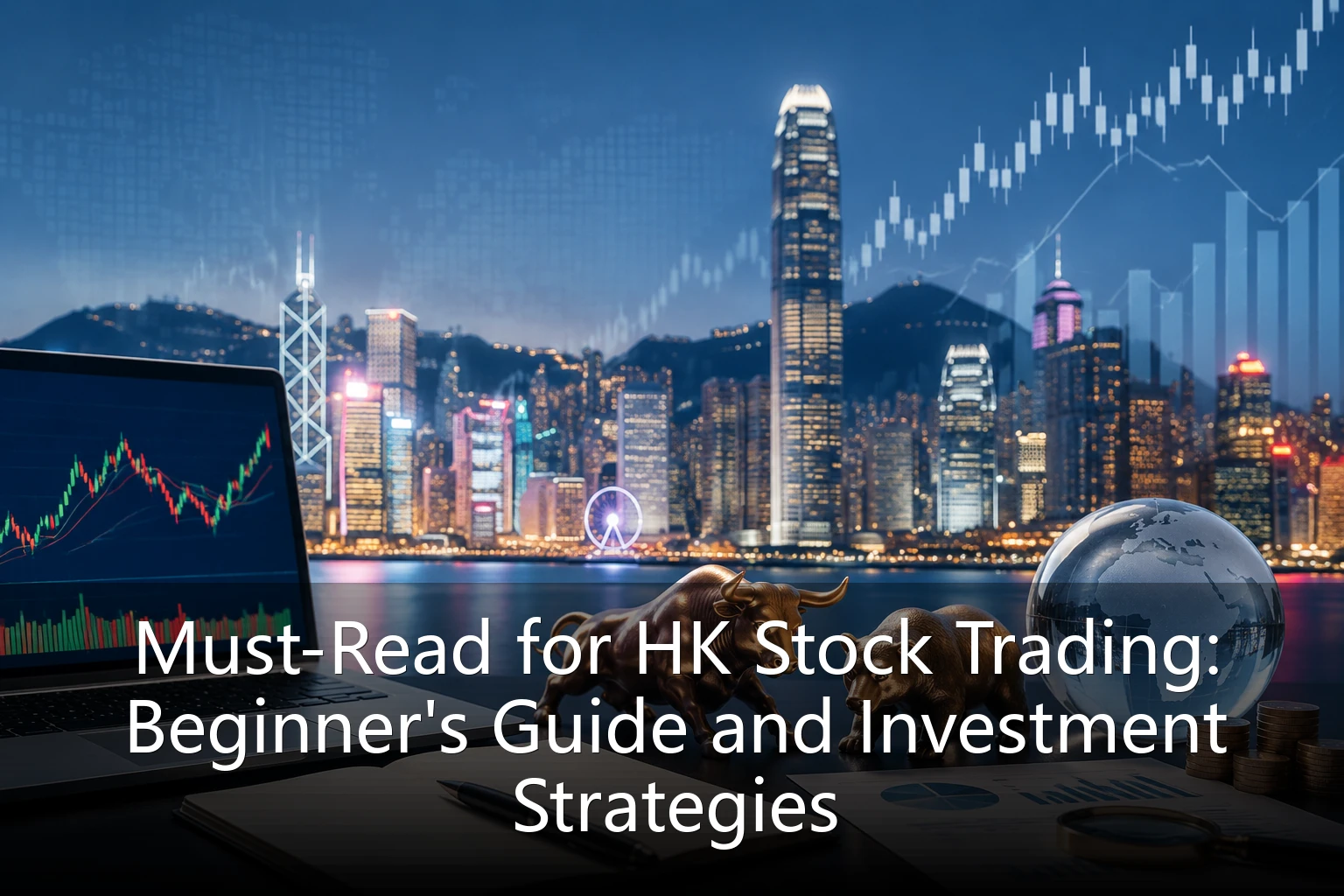
As one of the world's major financial markets, the HK stock market attracts many investors. But for beginners, trading HK stocks may seem complex and unfamiliar. This article will introduce you to the basics of HK stock trading, including core concepts, common misconceptions, and applicable scenarios, helping you get started easily. We'll also briefly compare HK stocks with Vietnam's stock market to give you a more comprehensive understanding of investment options.
What are HK Stocks?
HK stocks refer to stocks listed on the Hong Kong Exchanges and Clearing Limited (HKEX). As an international financial center, Hong Kong has a mature capital market and strict regulatory system, attracting many global listed companies. The HK stock market is known for being free, open, and international, with flexible trading hours and allowing free foreign capital flow, making it a key choice for many investors to allocate assets.
Characteristics of the HK Stock Market
- High Internationalization: The HK stock market gathers companies from mainland China, the US, Europe, etc., allowing investors to access diverse industries and companies.
- Flexible Trading Mechanism: HK stocks support T+0 trading (buy and sell on the same day) and have no price limits, providing more opportunities for short-term trading but also increasing risks.
- Strict Regulation: The Securities and Futures Commission (SFC) of Hong Kong strictly regulates the market, protecting investor rights and ensuring fairness and transparency.
- Tax Advantages: HK stock trading has no stamp duty (unlike A-shares), reducing transaction costs.
Core Concepts Explained
Major Indices
The HK stock market has several key indices that investors often use to measure market performance:
- Hang Seng Index (HSI): Represents Hong Kong's main blue-chip stocks, including 33 large companies like Tencent and HSBC.
- Hang Seng China Enterprises Index (HSCEI): Tracks mainland Chinese enterprises listed in Hong Kong, reflecting the mainland's economic performance.
- Hang Seng Tech Index: Focuses on the tech industry, including tech giants like Alibaba and Meituan.
Trading Mechanism
HK stock trading is denominated in Hong Kong dollars, with trading hours from 9:30 AM to 12:00 PM and 1:00 PM to 4:00 PM, Monday to Friday. Investors can open accounts through brokers to buy and sell stocks. Note that the HK stock market allows short selling, but relevant rules must be followed.
Common Misconceptions
Misconception 1: HK Stocks Have Low Volatility and Risk
In reality, the HK stock market is quite volatile, especially influenced by international political and economic events. For example, US-China trade frictions and the global pandemic can cause significant fluctuations. Additionally, HK stocks have no price limits, so daily price swings can be very sharp, requiring caution from investors.
Misconception 2: HK Stocks Are Easy to Profit From
Any investment carries risks, and HK stocks are no exception. Novice investors often overestimate short-term gains and underestimate long-term risks. Successful investing requires in-depth research and continuous learning, not blind following of trends.
Misconception 3: HK Stocks Are Only for Large Capital
The HK stock market has no strict limits on investor capital size; small-capital investors can participate via ETFs or low-priced stocks. Many brokers offer low-commission services, lowering the entry barrier.
Applicable Scenarios
Suitable for Long-Term Investors
The HK stock market has many quality companies like Tencent and BYD, and long-term holding may yield stable returns. Additionally, its international nature makes it part of global asset allocation.
Suitable for Investors with Moderate Risk Appetite
HK stocks are volatile, but compared to A-shares, they offer more diversified investment opportunities due to higher internationalization. Investors with moderate risk appetite can reduce risks through diversification.
Not Suitable for Short-Term Traders
Due to high volatility and no price limits, short-term trading in HK stocks carries extremely high risks, so beginners should avoid frequent buying and selling.
HK Stocks vs Vietnam Stock Market
Although this article focuses on HK stocks, understanding Vietnam's stock market (e.g., VN30 Index) helps investors compare features of different emerging markets. Vietnam's stock market has grown rapidly in recent years, benefiting from a young demographic dividend and foreign capital inflows, but its regulation and liquidity may be less mature than HK's. Investors can choose the right market based on their risk appetite and investment goals.
How to Start Trading HK Stocks?
Step 1: Choose a Broker
Choose a reputable broker with low commissions and ensure it supports HK stock trading. Many international brokers offer Chinese services, convenient for mainland investors.
Step 2: Open an Account
Prepare identification and funds, and open a trading account online or offline. It usually takes a few days for verification.
Step 3: Learn and Research
Before investing, learn fundamental and technical analysis, and pay attention to company financial reports, industry trends, and macroeconomic data.
Step 4: Start Trading
Start with small amounts to gradually familiarize yourself with the market. Avoid investing large sums at once; diversify to reduce risks.
Summary
Trading HK stocks requires a full understanding of market characteristics, risks, and investment strategies. Through this article, we hope novice investors can build correct awareness and make informed decisions. Remember, investing is a marathon, not a sprint; continuous learning and patience are key to success.