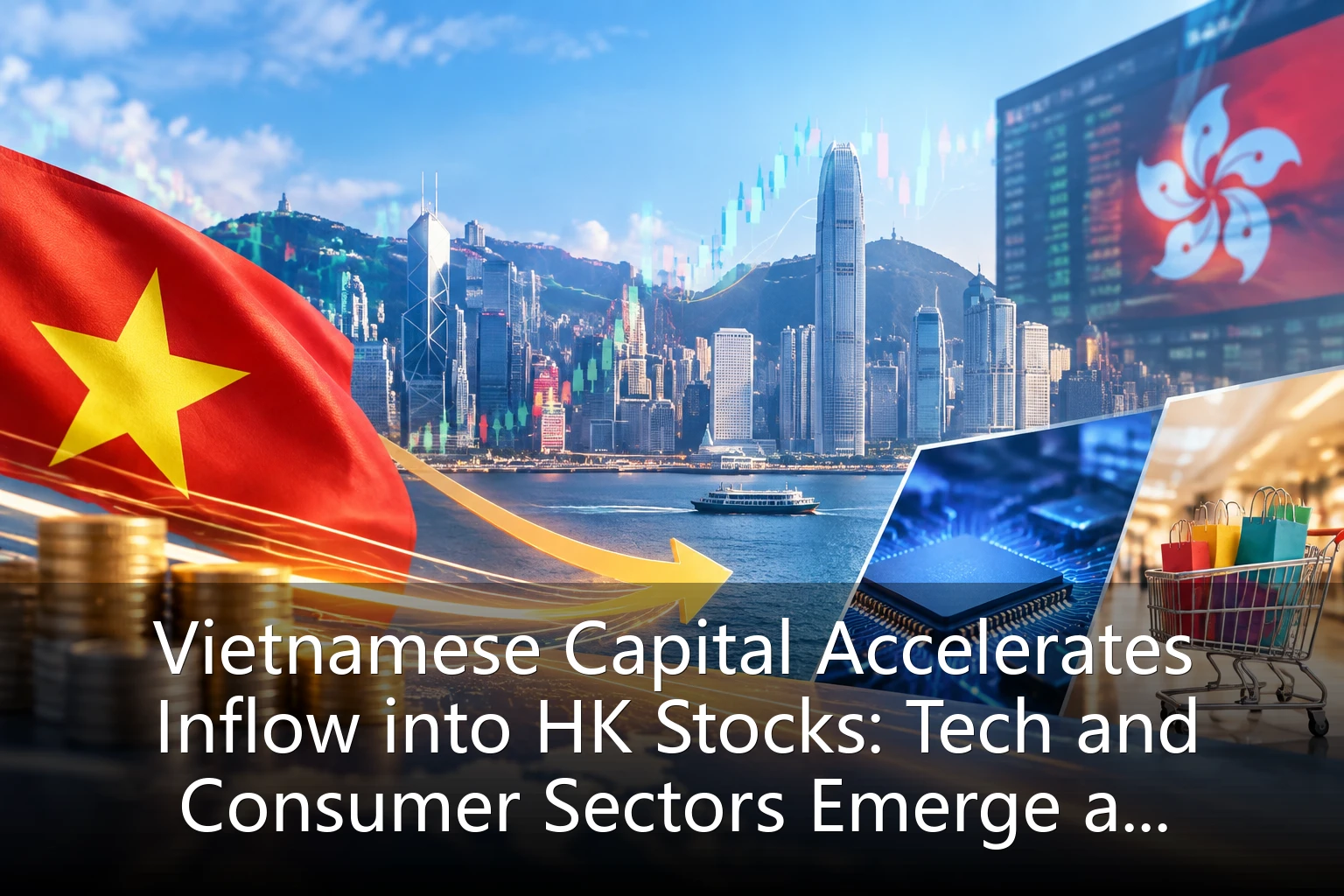
Vietnamese Capital Accelerates Inflow into HK Stocks: Tech and Consumer Sectors Emerge as Favorites Amid Hang Seng Index Volatility, In-depth Analysis of Allocation Strategies
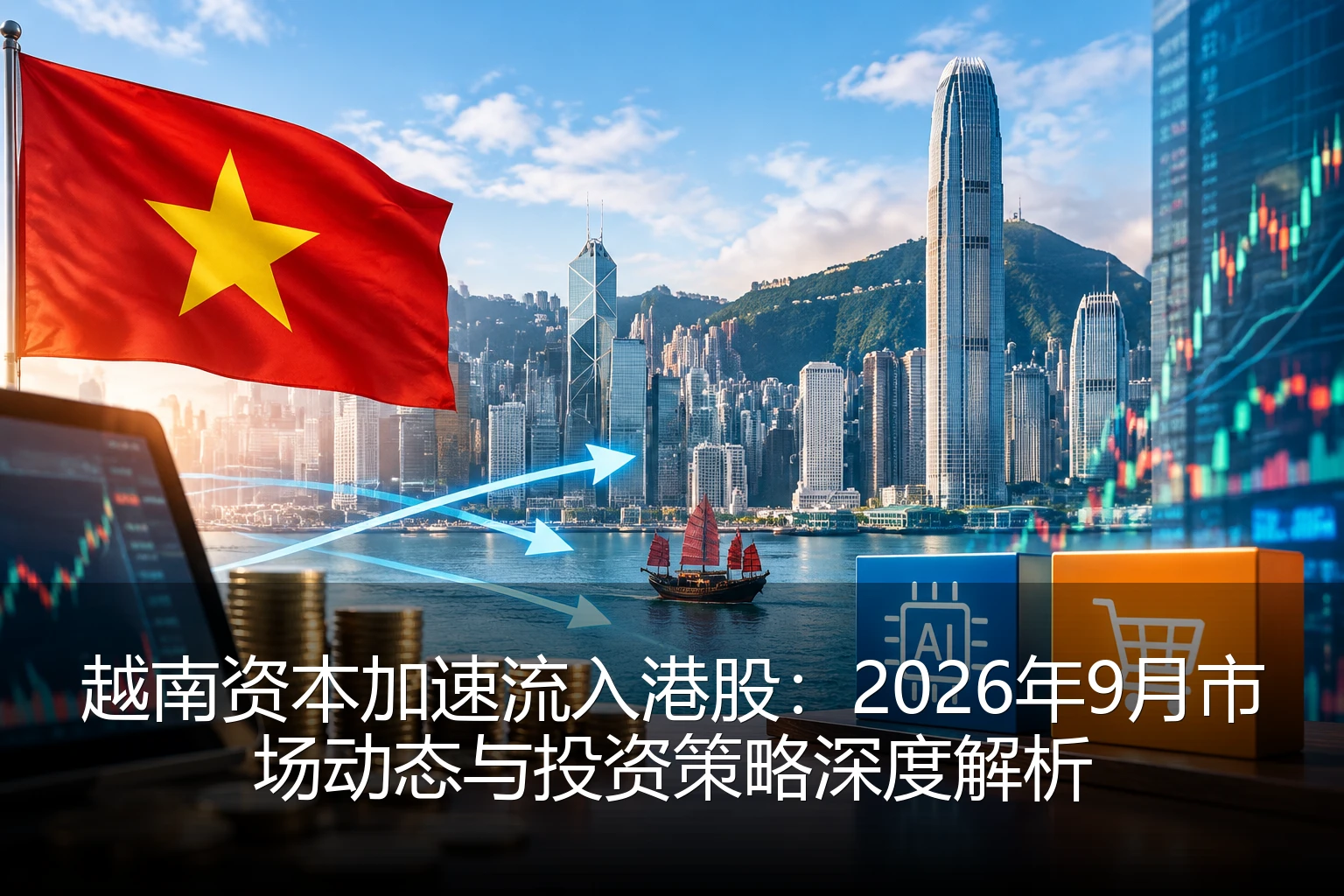
In September 2026, global capital markets are undergoing rapid changes, while Vietnamese capital's interest in the HK stock market continues to rise. The Hang Seng Index is seeking direction amid volatility, and tech and consumer sectors have become new favorites for Vietnamese investors. This article will conduct an in-depth analysis of the driving factors behind this phenomenon, explore new trends in Vietnamese capital flow, and provide targeted allocation strategy recommendations for investors.
1. New Trends in Vietnamese Capital Flow: Accelerated Allocation to HK Stock Market
According to the latest data, the scale of Vietnamese capital inflow into HK stocks in September 2026 hit a new high for the year. This trend is not accidental but the result of multiple factors working together. First, Vietnam's economy continues to recover, and the wealth accumulation of domestic investors has increased, providing a financial foundation for overseas investment. Second, the HK stock market has a significant valuation advantage over Vietnam's domestic market, especially in the tech and consumer sectors, where many high-quality enterprises have reasonable valuations and broad growth potential.
Notably, the methods of Vietnamese capital inflow into HK stocks are also showing a trend of diversification. In addition to traditional direct investment, the proportion of indirect investment channels such as funds and ETFs has increased significantly. This indicates that Vietnamese investors' understanding of the HK stock market is gradually deepening, and their investment strategies are becoming more mature and professional.
2. Investment Opportunities Amid Hang Seng Index Volatility: Tech and Consumer Sectors Become the Focus
Against the backdrop of Hang Seng Index volatility, the tech and consumer sectors have become key allocation directions for Vietnamese capital. There are profound reasons behind this choice:
- Tech Sector: Benefiting from the global digital transformation wave, tech companies have shown strong performance growth. Especially in sub-sectors such as artificial intelligence, cloud computing, and semiconductors, leading enterprises demonstrate strong competitiveness and profitability. Vietnamese investors are optimistic about the long-term development potential of these companies and are willing to pay reasonable valuations for them.
- Consumer Sector: As Vietnam's middle class expands and consumption upgrades, consumer enterprises face huge market opportunities. Whether in retail, catering, or healthcare, leading enterprises in the consumer sector have stable cash flows and brand advantages, enabling them to withstand economic cycle fluctuations.
Data shows that the trading volume of tech and consumer sectors significantly increased in September, with obvious capital inflow. This indicates that Vietnamese investors' confidence in these sectors has strengthened, and they are willing to seek structural opportunities in a volatile market.
3. Deep-lying Driving Factors for Vietnamese Capital Inflow into HK Stocks
Vietnamese capital's accelerated inflow into HK stocks is driven by multiple factors:
1. Differences in Economic Fundamentals
Vietnam's economy has maintained steady growth in recent years, but its domestic market is relatively small, and the space for enterprise expansion is limited. In contrast, the HK stock market gathers a large number of enterprises with global competitiveness, especially in the tech and consumer sectors. Vietnamese investors can share the global growth dividends of these enterprises by investing in HK stocks.
2. Obvious Valuation Advantage
After adjustment, the overall valuation of the HK stock market is at a historically low level, especially for leading enterprises in the tech and consumer sectors, which have reasonable valuations and high safety margins. For Vietnamese investors, this is a rare allocation opportunity.
3. Policy Support
The Vietnamese government encourages capital to go overseas and provides convenience for investors through channels such as QFII. At the same time, as an international financial center, Hong Kong has a complete legal and regulatory system, providing a safe and reliable investment environment for Vietnamese investors.
4. Market Maturity
The HK stock market has high maturity, good liquidity, and flexible trading mechanisms. For Vietnamese investors, the HK stock market offers more diversified investment tools and a richer selection of trading strategies.
4. Allocation Strategy Recommendations: Seizing Structural Opportunities
Facing the new trend of accelerated Vietnamese capital inflow into HK stocks, investors should adopt the following strategies:
- Diversified Investment: Reasonably allocate between the tech and consumer sectors to avoid concentrated risks. At the same time, consider achieving diversified investment through tools such as funds and ETFs.
- Long-term Holding: High-quality enterprises need time to realize their value, so investors should remain patient and avoid frequent trading.
- Focus on Fundamentals: Choose leading enterprises with strong competitiveness and sustainable profitability, rather than chasing short-term hotspots.
- Risk Management: Set reasonable stop-loss points, control positions, and avoid excessive leverage.
5. Future Outlook: Interaction Between Vietnamese Capital and the HK Stock Market
Looking ahead, the trend of Vietnamese capital inflow into HK stocks is expected to continue. As Vietnam's economy further develops and investors' wealth increases, the demand for overseas asset allocation will continue to grow. At the same time, the HK stock market will also benefit from the inflow of Vietnamese capital, enhancing market vitality and liquidity.
However, investors should also pay attention to potential risks. Global economic uncertainty, geopolitical risks, and market volatility may all affect investment returns. Therefore, maintaining a cautiously optimistic attitude and adopting scientific investment strategies are key to responding to market changes.
6. Conclusion
In September 2026, Vietnamese capital accelerated inflow into the HK stock market, with tech and consumer sectors becoming new favorites. This trend reflects Vietnamese investors' recognition of the value of the HK stock market and also embodies the diversification trend of global capital allocation. For investors, seizing this trend and adopting scientific allocation strategies can help achieve stable returns in a volatile market. At the same time, they should also remain vigilant, pay attention to market risks, and achieve long-term sustainable investment returns.