Home
HK Stock Live
New Trends in Vietnamese Capital Flows: In-depth Analysis of Hong Kong Stock Market Real-time Quotes and Investment Strategies for September 2026
New Trends in Vietnamese Capital Flows: In-depth Analysis of Hong Kong Stock Market Real-time Quotes and Investment Strategies for September 2026
In September 2026, Vietnamese capital continued to accelerate into the Hong Kong stock market, with the Hang Seng Index seeking a breakthrough amidst volatility. This article deeply analyzes the new trends in Vietnamese capital flows, interprets the recent performance of the Hang Seng Index, discusses the performance of the technology and consumer sectors, and provides targeted investment strategy recommendations to help investors seize opportunities in the Hong Kong stock market.
This article is for informational purposes only and does not constitute investment advice. Economic data may be time-sensitive, please refer to official releases.
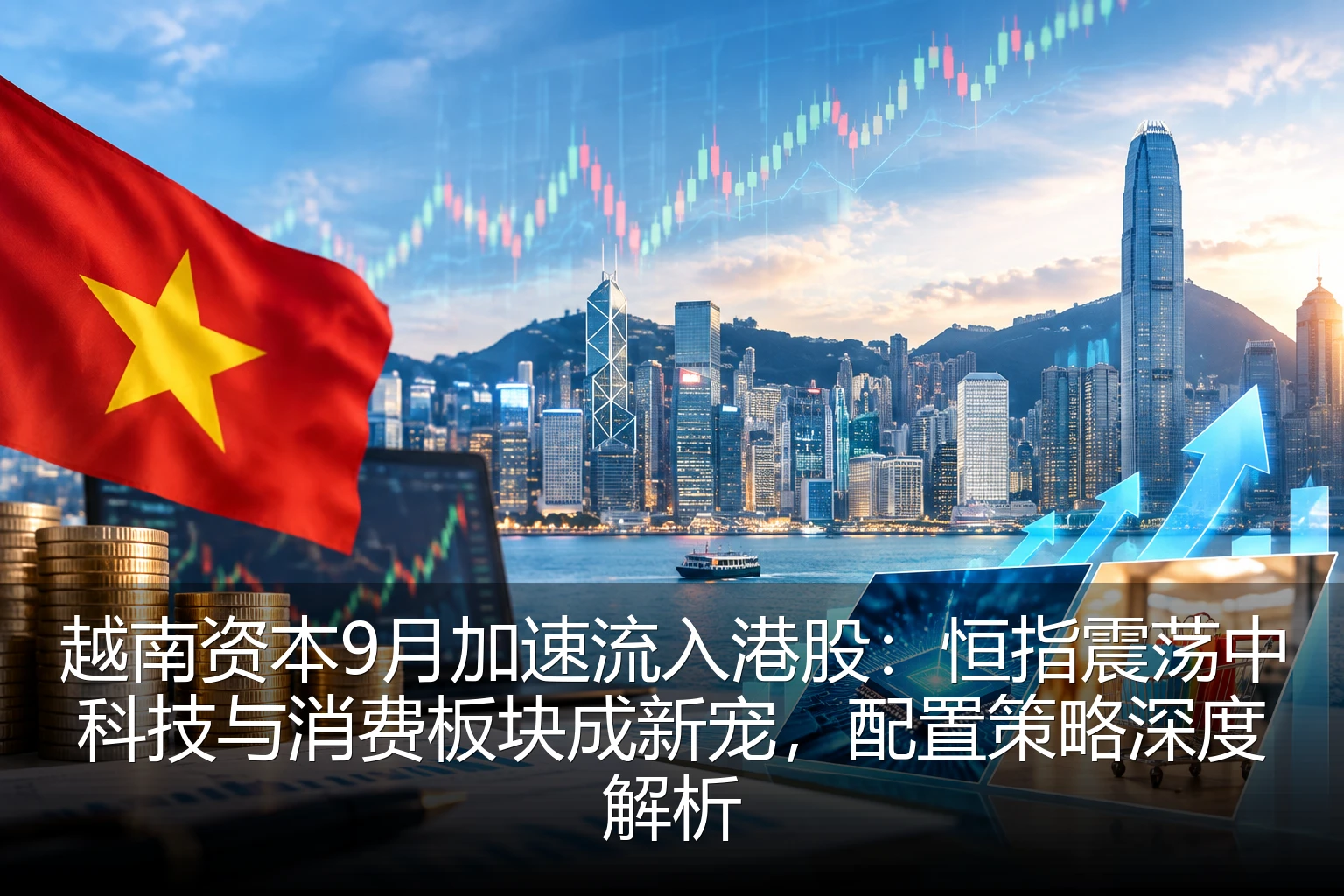
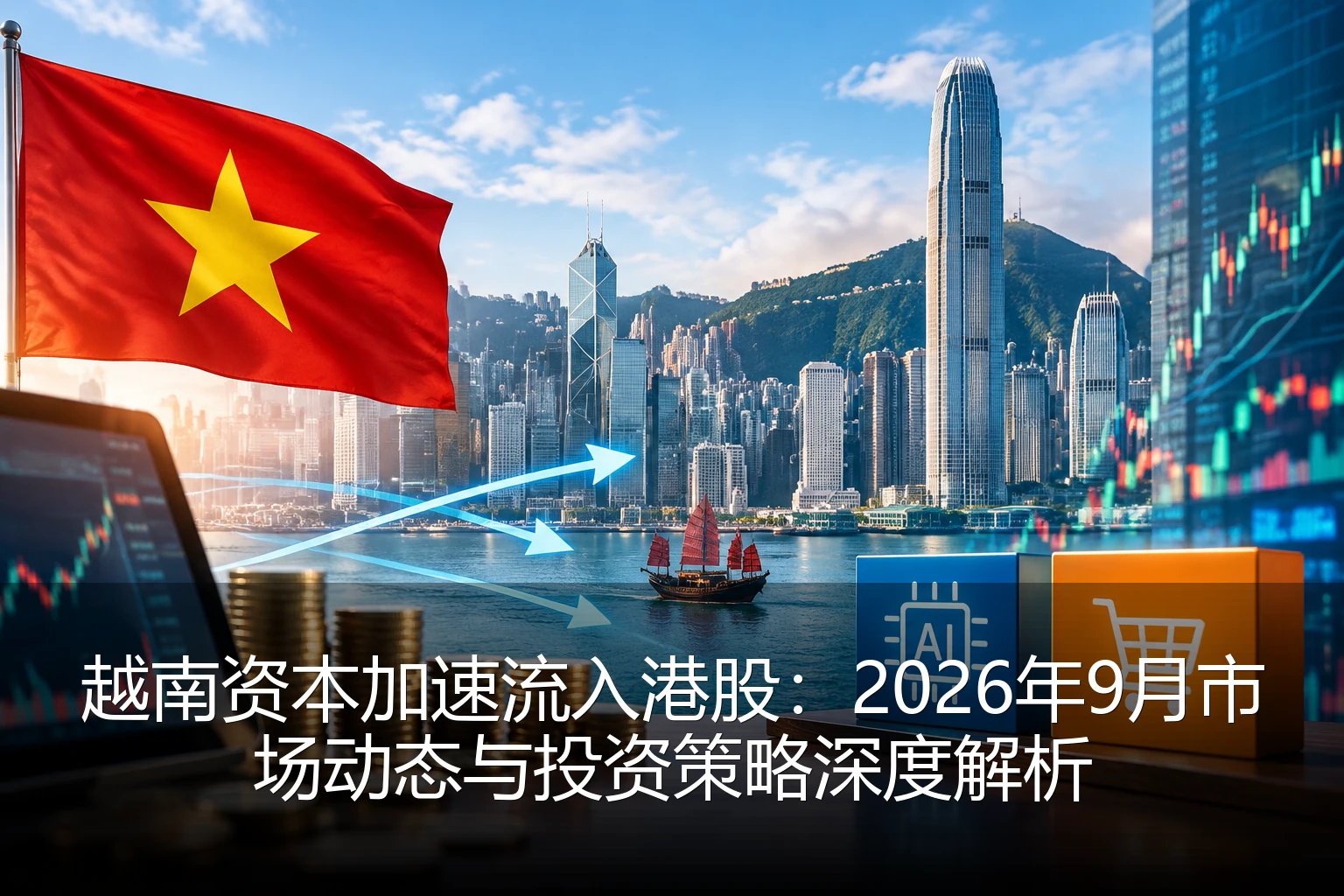
In September 2026, the Hong Kong stock market exhibited a complex and diversified trend, with the accelerated inflow of Vietnamese capital emerging as a significant market driver. The Hang Seng Index sought breakthroughs amid volatility, with the technology and consumer sectors showing remarkable performance, offering rich investment opportunities to investors. This article will deeply analyze the new trends in Vietnamese capital flows, interpret the recent performance of the Hang Seng Index, discuss the performance of key sectors, and provide targeted investment strategy recommendations to help investors seize opportunities in Hong Kong stocks.
Latest Trends in Vietnamese Capital Inflow to Hong Kong Stocks
In September 2026, the inflow of Vietnamese capital into the Hong Kong stock market showed an accelerating trend. According to the latest data, the net inflow of Southbound funds reached a new high for the year, indicating strong interest from Vietnamese investors in the Hong Kong market. This trend is driven by the combined effects of Vietnam's continuous economic recovery, the development of its domestic capital market, and changes in the international investment environment.
As one of the fastest-growing economies in Southeast Asia, Vietnam's capital market maturity is continuously improving, although it still lags behind the depth and breadth of the Hong Kong market. Therefore, an increasing number of Vietnamese investors choose to allocate funds to the Hong Kong market through channels such as Stock Connect to gain richer investment opportunities and better liquidity.
It is worth noting that the inflow of Vietnamese capital is not evenly distributed but shows a clear industry preference. The technology and consumer sectors have become key focus areas for Vietnamese investors, which aligns closely with global investment trends and the characteristics of the Hong Kong market. Furthermore, blue-chip stocks with high dividend yields have also attracted Vietnamese capital, reflecting investors' pursuit of stable returns.
Analysis of the Recent Performance of the Hang Seng Index
The Hang Seng Index displayed an upward trend amid volatility in September 2026. Despite challenges from increasing global economic uncertainty and geopolitical risks, the Hang Seng Index demonstrated strong resilience. As of mid-September, the Hang Seng Index had risen by approximately 3.5%, outperforming most major indices.
From a technical perspective, the Hang Seng Index found strong support at the 25,000 mark, indicating strong buying power. Concurrently, the trading volume gradually increased, suggesting improved market participation. However, the index also faced resistance at 26,000, requiring more catalysts to break through this key level.
In terms of industry sectors, technology and consumer sectors were the main drivers behind the rise of the Hang Seng Index. Technology stocks benefited from global digital transformation trends and supportive policies for tech companies in the Hong Kong market, while consumer stocks benefited from economic recovery and consumption upgrading. In contrast, the financial and real estate sectors performed relatively weakly, reflecting the market's cautious attitude towards interest-rate-sensitive industries.
Technology and Consumer Sectors Show Remarkable Performance
The technology sector is one of the key areas receiving Vietnamese capital inflow into the Hong Kong market. In September 2026, technology stocks generally performed strongly, especially in sub-sectors such as artificial intelligence, semiconductors, and cloud computing. This trend is consistent with the development direction of the global technology industry and reflects the confidence of Vietnamese investors in the future growth of the technology sector.
Specifically, several well-known technology companies released strong earnings reports in September, driving stock price increases. For example, a renowned artificial intelligence company released its quarterly financial report, showing revenue and profit exceeding market expectations, leading to a stock price increase of over 10%. Furthermore, the semiconductor industry benefited from the growth of global chip demand and supply chain adjustments, with related company stocks also performing brilliantly. The consumer sector has also attracted Vietnamese capital. With the recovery and consumption upgrade in Vietnam, consumer stocks show strong growth potential. Industries such as food and beverage, retail, and tourism are performing well, reflecting increased consumer confidence and released consumer demand.
It is worth noting that high-dividend stocks in the consumer sector are particularly welcomed by Vietnamese capital. These companies typically have stable cash flows and high dividend yields, meeting the pursuit of stable returns by Vietnamese investors. For example, a well-known food and beverage company announced a dividend increase, attracting significant purchases from Vietnamese capital.
Investment Strategy Recommendations
Based on the current market environment and trends in Vietnamese capital flows, investors can adopt the following strategies:
Focus on Tech and Consumer Leaders: The technology and consumer sectors are key allocation areas for Vietnamese capital. Investors can focus on leading enterprises in these sectors to share in industry growth dividends.
Position High-Dividend Blue-Chip Stocks: High-dividend blue-chip stocks have stable cash flows and high dividend yields, making them suitable for investors seeking stable returns. These stocks are particularly defensive when market uncertainty increases.
Diversify Investments to Reduce Risk: Although the technology and consumer sectors are performing strongly, investors still need to pay attention to diversification to reduce the risk of a single industry or stock. Allocation among stocks of different industries and market capitalizations can be considered.
Monitor Policy Changes: Policy changes in the Hong Kong market can have a significant impact on stock prices. Investors need to closely monitor relevant policy dynamics and adjust investment strategies in a timely manner.
Background Information and Industry Interpretation
The accelerated inflow of Vietnamese capital into the Hong Kong stock market reflects multiple changes in the Vietnamese economy and capital markets. First, the Vietnamese economy is continuously recovering, with GDP growth maintaining a high level, providing a solid foundation for the healthy development of the capital market. Second, the domestic capital market in Vietnam is gradually maturing, but there is still a gap compared to the Hong Kong market. Therefore, investors allocate to the Hong Kong market through channels like Stock Connect to obtain richer investment opportunities.
From the international perspective, changes in the global interest rate environment also affect Vietnamese capital flows. As major economies gradually enter a cycle of interest rate cuts, the attractiveness of the Hong Kong market has relatively increased, attracting more international capital. At the same time, the increase in geopolitical risks has prompted investors to seek safer investment destinations, and Hong Kong, as an international financial center, has naturally become one of the preferred choices.
At the industry level, the strong performance of the technology and consumer sectors reflects global economic development trends and the characteristics of the Hong Kong market. The technology industry benefits from the development of emerging technologies such as digital transformation and artificial intelligence, while the consumer industry benefits from economic recovery and consumption upgrading. These trends are expected to continue for a period, providing long-term growth opportunities for investors.
Conclusion In September 2026, Vietnamese capital accelerated into the Hong Kong stock market, with the Hang Seng Index seeking breakthroughs amid volatility. The technology and consumer sectors performed notably, offering rich investment opportunities for investors. Investors can focus on technology and consumer leaders, invest in high-dividend blue-chip stocks, and adopt a diversified investment strategy to mitigate risk. Concurrently, it is necessary to closely monitor policy changes and market dynamics to adjust investment strategies in a timely manner. As the Vietnamese economy continues to recover and the Hong Kong market develops, the trend of Vietnamese capital flowing into Hong Kong stocks is expected to persist, bringing more opportunities to investors.
Article tags
PreviousVietnamese Capital Influx Accelerates into Hong Kong Stocks: In-depth Analysis of Market Dynamics and Investment Strategies for September 2026
NextVietnamese Capital Accelerates Inflow into HK Stocks: Tech and Consumer Sectors Emerge as Favorites Amid Hang Seng Index Volatility, In-depth Analysis of Allocation Strategies
Related articles