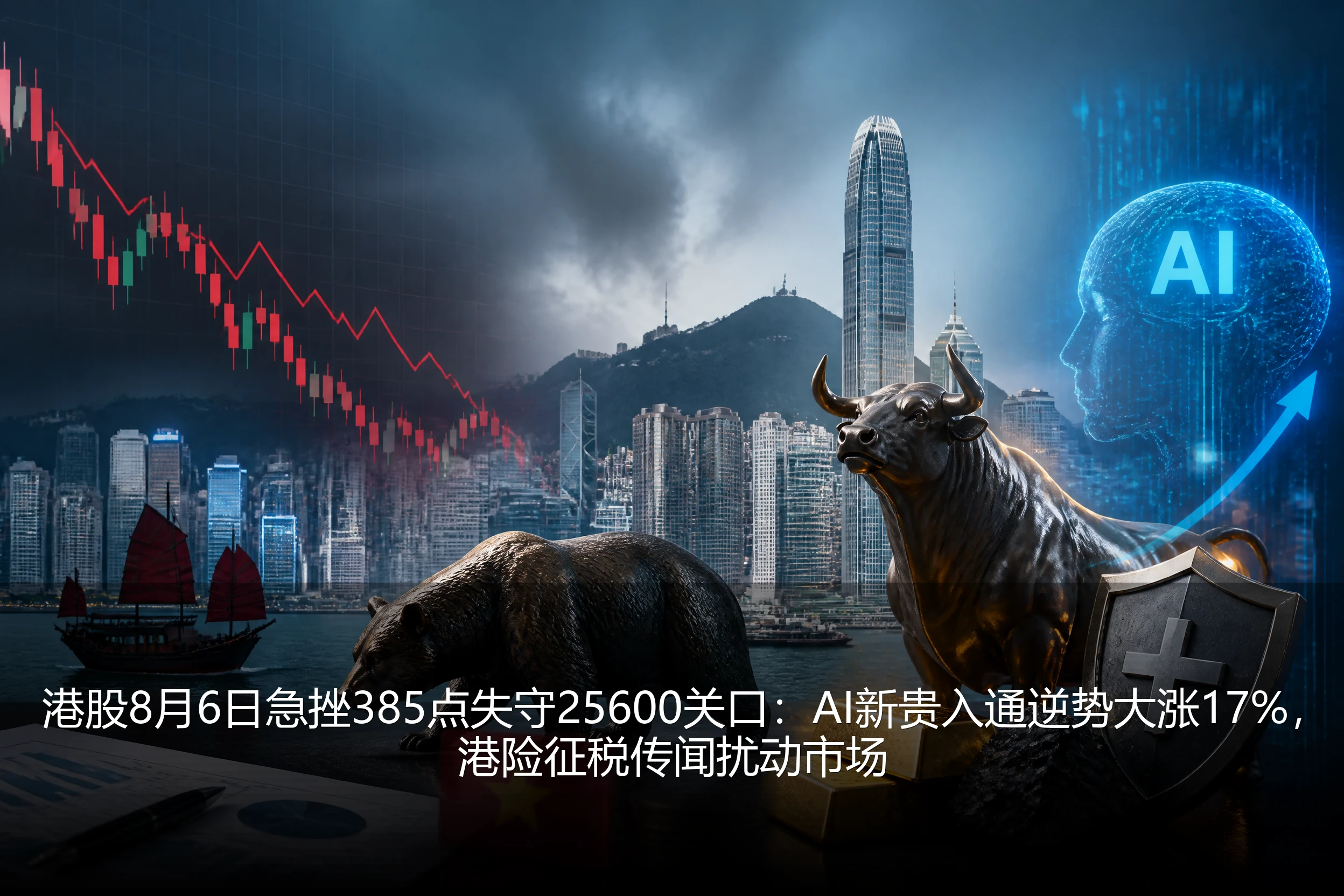
- AI Large Model "Two Giants" Rise Against the Trend: MINIMAX-W was officially included in the Stock Connect program for Hong Kong stocks starting today, surging 17.1% to 297.2 HKD at closing, while Zhipu also rose by 4.42%. LiveReport estimates that MiniMax's debut in the Stock Connect may attract at least 1 billion HKD in investment funds; if its holding ratio in the Stock Connect reaches 20% to 25% in the future, the potential incremental capital could exceed 10 billion HKD. Notably, DeepSeek announced an increase in API service pricing on the same day. Analysis points out that this is an important signal for the commercialization of domestic large models, suggesting that industry competition is shifting from "price wars for market share" to comprehensive competition based on "capabilities, scenarios, costs, and monetization efficiency."
- Gold Stocks Maintain Strength: Overnight, physical gold briefly surpassed the $4300/ounce mark, setting a new phase high. US ADP employment figures for July showed only 44,000 new jobs, far below the market expectation of 75,000. This cooling in the job market has eased the pressure for the Federal Reserve to raise interest rates, boosting expectations of monetary easing. Positive signals from negotiations between Iran and the US regarding the Strait of Hormuz have weakened concerns about energy-driven inflation, providing macro support for gold prices. As of closing, Tongguan Gold rose by 8.58%, Lingbao Gold rose by 4.82%, and Chifeng Gold rose by 3.7%.
- Coal Stocks Strengthen Against the Trend: The power coal price index was adjusted upward across the board on August 5th, with 5500 kcal coal trading at 839 RMB/ton. Tight supply combined with the deepening "anti-involution" policy has led to gains. Yangtze Securities forecasts a 1.9% year-on-year decrease in the effective supply of power coal by 2026. Mongol Energy rose by 6.48%, Yancheng Energy rose by 6.12%, and Zhongmei Energy rose by 2.97%.
- High-Quality Blue Chips Attract Investment: Jiulongchangzi surged by 13.72% after its earnings release. The company significantly narrowed its net loss and announced an increase in its dividend payout ratio from 65% to 90%, increasing the base dividend by 38%, revalidating the high-dividend logic.
Southbound Capital Shifts: Net Selling of 1.46 Billion HKD, Internal Rebalancing Hides the Main Trend
In terms of capital flows, Southbound funds recorded a net selling of approximately 1.461 billion HKD today, halting the previous trend of continuous net inflows. However, the internal rebalancing characteristics are extremely clear: a significant net purchase of MINIMAX worth about 2.697 billion HKD, Jianteo Laminates worth 753 million HKD, and Changfei Optical Fiber Cable worth 593 million HKD, while simultaneously recording net sales of Tencent worth 2 billion HKD, Alibaba worth 1.627 billion HKD, and SMIC worth 1.076 billion HKD. This indicates that mainland capital is shifting from previously high-performing internet heavyweight stocks toward targets in the AI new economy and computing power industry chain, with "technological content" and "industry trends" becoming the core weights in this new round of Southbound capital allocation.
Institutional View: Hong Kong Stocks are at a "Triple Bottom," and a Long Bull Market Still Requires Two Thresholds
CICC points out that Hong Kong stocks are emerging from multiple pressures, but to move towards a truly sustained bull market, they must cross two thresholds: corporate earnings improvement and easing US dollar liquidity—the former determines the bull market trend, and the latter determines the magnitude and resilience of the bull market; before this, the market is closer to oversold valuation recovery after the peak pressure period. Shenwan Hongyuan believes that with the triple factors of declining institutional allocation, bottoming and stabilizing fundamentals, and a deep correction in technology growth valuations, Hong Kong stocks are in a "triple bottom" zone, possessing the fundamental conditions for a rebound. Under a neutral scenario, the Hang Seng Index has a potential annual return of about 15.4%. Data also supports the valuation attractiveness: as of the end of July, the Internet Index PE (TTM) for Hong Kong stocks was about 20.47 times, which is at a historical low corresponding to the 8.94th percentile in the last five years, and it remains a "valuation trough" compared to US, South Korean, and A-share technology sectors.Implications for Vietnamese Investors: Allocation Strategy in a Volatile Market
For Vietnamese investors and regional funds focusing on the Hong Kong market, this pullback offers a window to observe market structure. On one hand, Hong Kong stock valuations are still in the historical low range, supported by a clear logic for medium-to-long-term allocation, driven by the acceleration of AI large model commercialization, continuous activity from Southbound funds, and improved dividend returns. On the other hand, external variables such as rumors of Hong Kong insurance taxation, the Federal Reserve's policy path, the tightness of US dollar liquidity, and geopolitical situations may still trigger short-term fluctuations, and the risk of chasing highs cannot be ignored.
The industry generally believes that the short-term adjustment of Hong Kong stocks does not change the medium-term repair logic. Investors should maintain position discipline, focusing on a dumbbell-style pairing of technology leaders with strong earnings realization and high-dividend defensive stocks, making phased layouts and dynamic balancing during volatility to seize structural opportunities resulting from the synergy between valuation recovery and AI industry transformation. Next, the disclosure of interim earnings, US inflation and employment data, the flow of Southbound funds, and the commercialization progress of the AI industry chain will be key indicators determining whether the market can continue to rebound.