HK stocks open higher, Hang Seng reclaims key psychological level
On August 5, 2026, the Hong Kong market saw a broad rally. Boosted by better-than-expected US ISM Services PMI data and gains across major Asia-Pacific indices, the Hang Seng Index opened 0.6% higher and climbed steadily, led by tech giants and consumer leaders. By midday, the HSI stood at 21,835, up 1.2%; the Hang Seng Tech Index performed even stronger, up 2.3% at 4,980. Full-day main board turnover expanded to about HK$125 billion, signaling a clear improvement in market sentiment. The Hang Seng China Enterprises Index also rose, up 1.5% at 7,480.
Tech stocks rebound across the board, Alibaba and Tencent lead
Tech stocks were the main drivers of today's rebound. Alibaba-SW (09988.HK) surged over 4% intraday, closing 3.2% higher at HK$98.5, boosted by news of breakthroughs in its cloud computing business in Southeast Asia. Tencent Holdings (00700.HK) also performed well, up 2.8% to HK$385, amid market rumors that its new AI model will launch ahead of schedule by end-Q3. Meituan-W (03690.HK) and Kuaishou-W (01024.HK) rose 2.5% and 1.9% respectively, while previously oversold Bilibili-SW (09626.HK) rebounded over 5%.
Analysts noted that the tech rally is driven by multiple factors. Regulatory concerns have largely cleared, leaving sector valuations at mid-to-low historical levels. With the interim reporting season approaching, expectations for improved earnings at leading internet firms are rising. More importantly, international capital is repricing Asian tech assets, and Hong Kong, with its unique valuation advantage, has become a key destination for inflows.
Consumer leaders also strengthen, mainland funds favor high dividends and blue chips
Beyond tech, consumer blue chips also attracted buying. China Resources Beer (00291.HK) rose 2.5%, Haidilao (06862.HK) gained 1.8%, and Anta Sports (02020.HK) added 1.5%. Southbound funds recorded net buying of about HK$2.8 billion in the half-day session, extending the net inflow trend since July. Flows focused on Tencent, SMIC (00981.HK), and CNOOC (00883.HK), reflecting mainland investors' preference for both defensive yield and growth amid the current macro environment.
Notably, while total net inflows via Stock Connect (Shanghai/Shenzhen) eased from July peaks, they remained stable, underscoring southbound funds' recognition of Hong Kong's medium-to-long-term allocation value. Analysts believe that as mainland interest rates continue to decline, the appeal of Hong Kong's high-dividend assets becomes increasingly prominent—a core logic behind persistent southbound inflows.
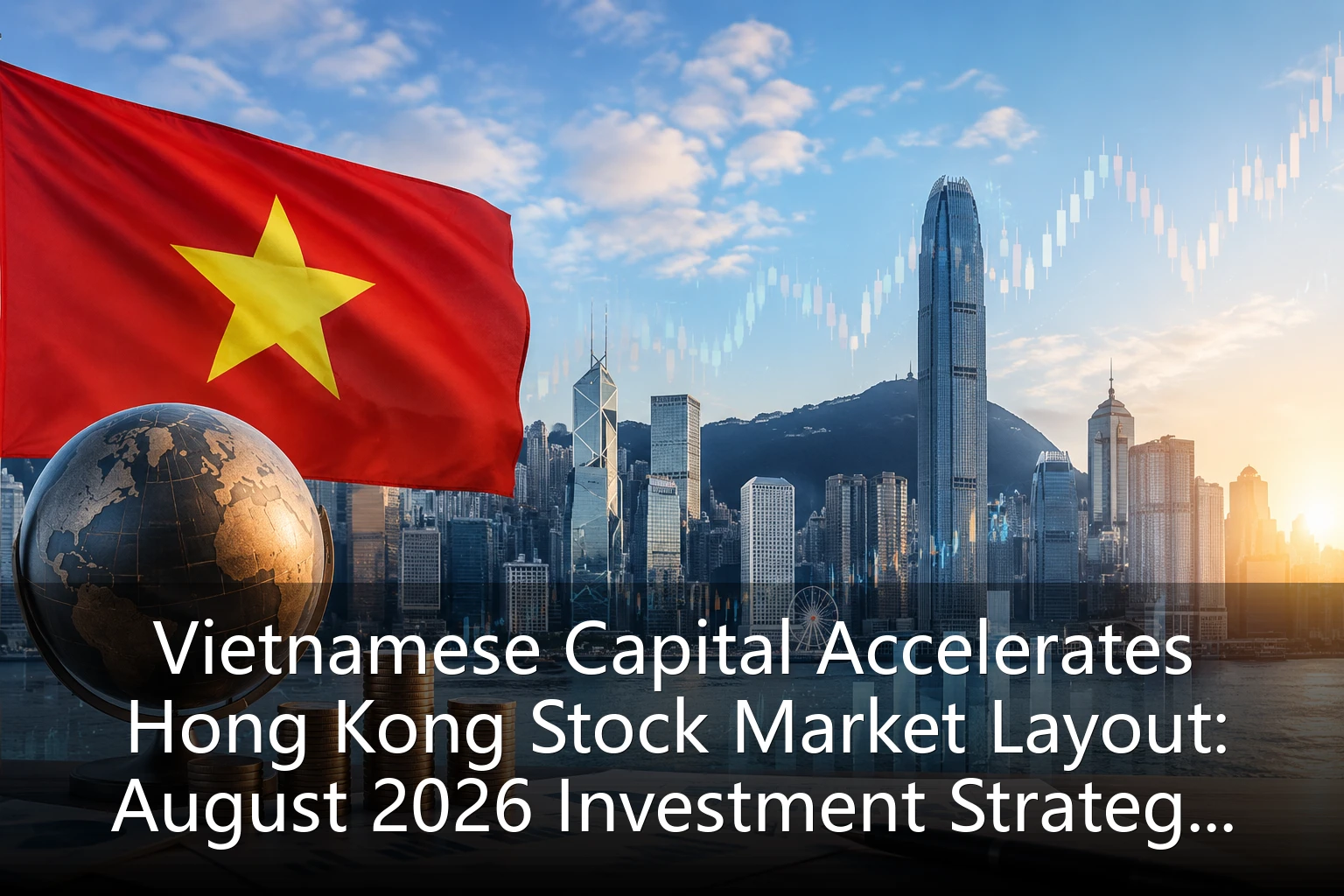
Vietnam capital accelerates Hong Kong allocation, tech and consumer become core focus
In today's session, a noteworthy cross-border capital trend is the continued accumulation by Vietnam funds. According to VietFund Capital data, since early August 2026, multiple Vietnamese mutual funds and private equity funds have increased their Hong Kong allocations. These funds mainly focus on Hang Seng Tech Index constituents and Hong Kong consumer leaders, with investment logic closely tied to Vietnam's domestic economic transformation and consumption upgrade trends.
Vietnam is in a critical period of demographic dividend and economic restructuring, with a rapidly expanding middle class driving consumption upgrades and surging digital economy demand. However, the limited capacity of Vietnam's domestic stock market (VN Index) and scarcity of certain tech and premium consumer assets have led Vietnamese funds to look to the more attractively valued Hong Kong market. Chinese internet giants and consumer brands with deep Southeast Asian footprints have become favored allocation targets.
Why do Vietnam funds favor Hong Kong? Low valuations and high dividends are core attractions
From a valuation perspective, the Hang Seng Index's current PE ratio is about 9.8x, far below the Ho Chi Minh Index's approximately 15.2x. For Vietnam funds seeking stable medium-to-long-term returns, Hong Kong's high dividend yields (some blue chips yield over 5%) offer an attractive margin of safety. Additionally, the Vietnamese dong has been relatively stable against the US dollar in H1 2026, making overseas allocation more manageable. The State Bank of Vietnam recently held benchmark rates steady, and ample domestic liquidity has also facilitated outbound investment.
Vietnam investment fund strategists note that increasing Hong Kong allocation is not short-term speculation but a strategic move based on medium-to-long-term economic cycles. As Vietnam's economy continues to recover and household wealth management demand rises, Vietnam fund AUM is growing rapidly. These funds need global asset allocation to diversify risk, and Hong Kong, with its low valuations, high liquidity, and rich China-related assets, is a natural first choice. Hong Kong stocks linked to China's consumption upgrade and tech self-sufficiency perfectly align with Vietnamese investors' bets on China's economic spillover effects.
Market outlook: Can Hong Kong stocks see an August recovery?
Looking ahead, market participants are generally cautiously optimistic about Hong Kong's August performance. Despite global macro uncertainties, Hong Kong's valuation trough, persistent southbound inflows, and increased allocation from emerging market capital like Vietnam provide solid support. The Hang Seng Index has formed a relatively firm support platform between 21,500 and 22,000; if corporate earnings meet expectations, the index could challenge 22,500 or higher.
However, investors should monitor several potential risks: the Federal Reserve's future rate path, as any hawkish signals could disrupt global capital flows; geopolitical factors affecting supply chains; and the pace of mainland economic recovery, which directly impacts Hong Kong-listed companies' earnings. For Vietnam funds, the pace of Hong Kong allocation will also be influenced by domestic capital market volatility and exchange rate movements, but in the long term, Hong Kong's weight in Vietnam's asset allocation landscape is expected to continue rising.
Overall, amid the current global asset reallocation, Hong Kong, as a bridge connecting China and global capital markets, is attracting increasing interest from Southeast Asian, particularly Vietnamese, institutional investors. This trend not only injects new liquidity into Hong Kong but also reflects the capital export effect arising from Vietnam's economic rise.