Vietnamese Capital Ignites Hong Kong Market Again in October: In-depth Analysis of Capital Flow and Investment Strategies
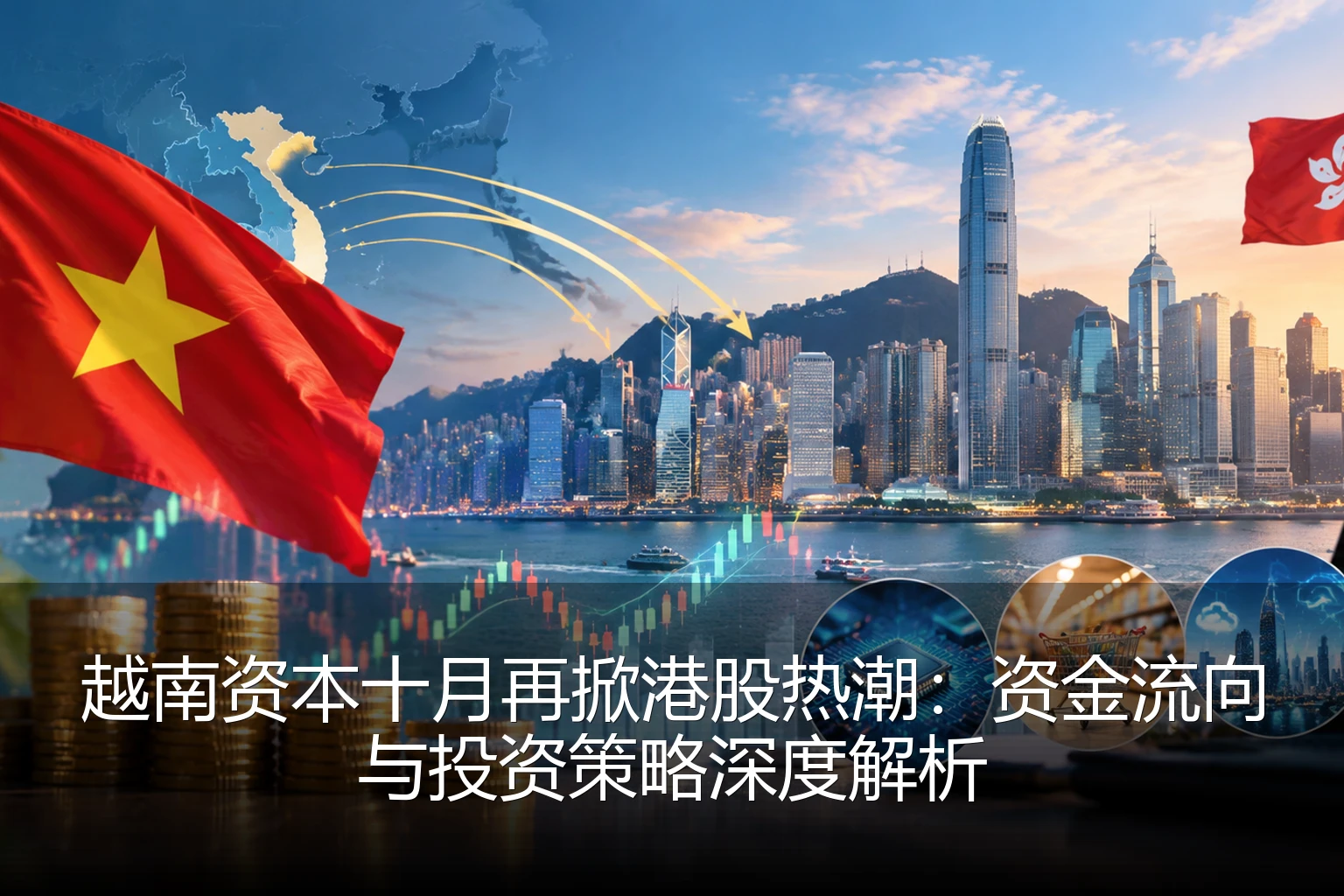
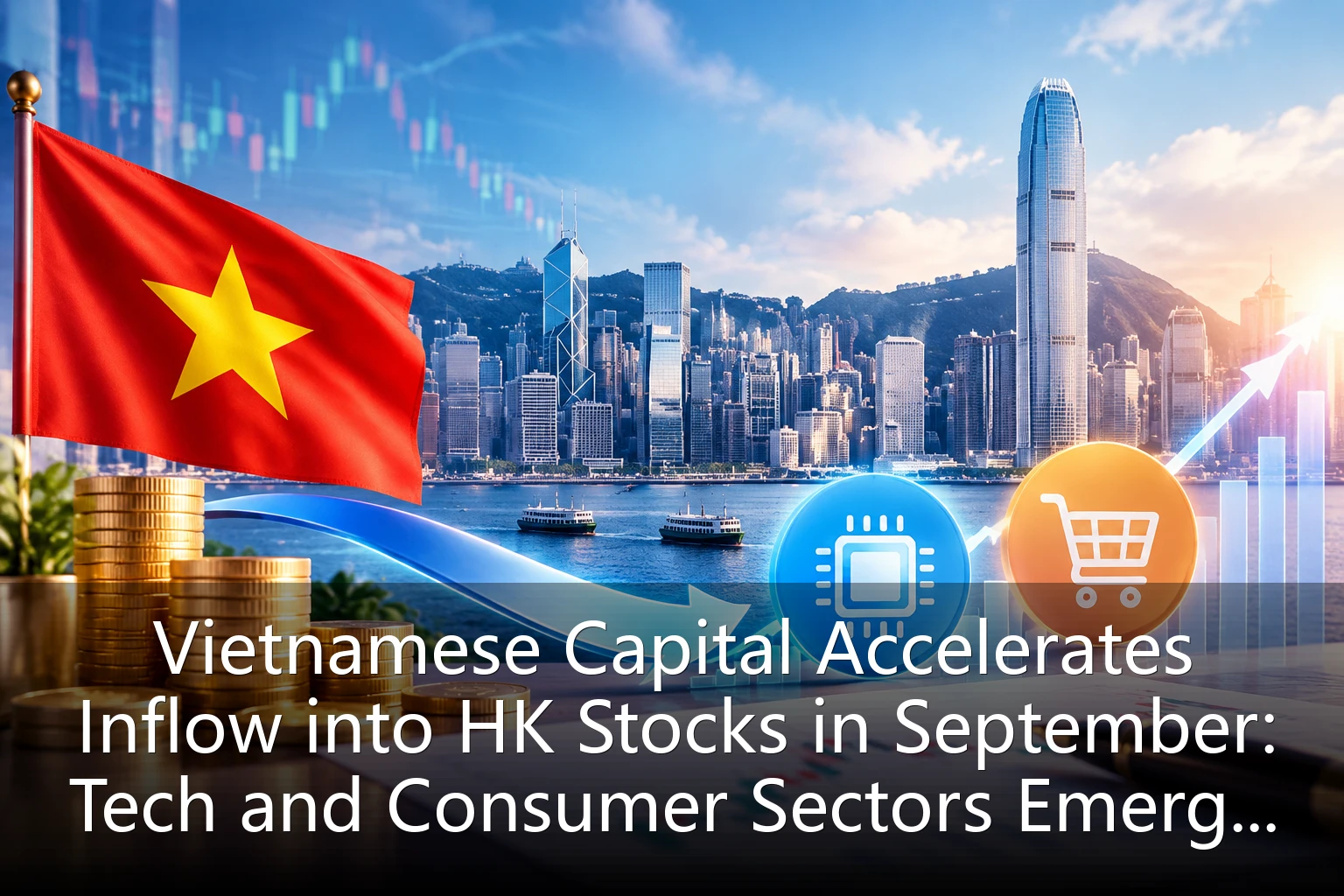
In early October 2026, the Hong Kong stock market once again experienced a strong influx of Vietnamese capital. With changes in the global macroeconomic environment and adjustments in regional capital allocation, Vietnamese investors are accelerating their position in the Hong Kong market, seeking higher investment returns. This article will conduct an in-depth analysis of the trends, driving factors, and impacts of Vietnamese capital flow on the Hong Kong market, providing professional investment strategy recommendations for investors.
I. Current Status of Vietnamese Capital Flow: New Boom in Hong Kong Market in October
According to the latest data, in early October 2026, Vietnamese capital continued to accelerate its inflow into the Hong Kong stock market, with the net daily purchase amount of southbound funds reaching a recent high. This trend has continued the direction of capital flow since the third quarter of 2026, indicating that Vietnamese investors' confidence in the Hong Kong market is continuously strengthening.
The Hang Seng Index showed stable performance in early October, fluctuating around 22,500 points, with active market trading. As an important component of southbound funds, Vietnamese funds have also shown significant changes in their portfolio structure, with technology and consumer sectors becoming key focus areas. This phenomenon reflects that Vietnamese capital is actively seizing structural opportunities in the Hong Kong market, seeking excess returns in market fluctuations.
II. Reasons for Capital Inflow: Multiple Factors Driving Vietnamese Capital to Position in Hong Kong Market
The accelerated inflow of Vietnamese capital into the Hong Kong market is not accidental but the result of multiple factors working together. Firstly, from a valuation perspective, after previous adjustments, the Hong Kong market has entered a value investment range for some quality targets, providing a good entry timing for Vietnamese capital. Especially compared to the Vietnamese market, the Hong Kong market has obvious valuation advantages in many industry sectors, attracting the attention of long-term value investors.
Secondly, from a market environment perspective, as an international financial center, Hong Kong has a mature market mechanism, complete legal system, and high market transparency, providing a relatively safe investment environment for Vietnamese investors. In addition, the linked exchange rate system between Hong Kong dollar and US dollar also provides certain exchange rate stability for Vietnamese capital, reducing exchange rate risks in cross-border investment.
Thirdly, from the perspective of investment targets, the Hong Kong market has a large number of quality enterprises highly related to the Vietnamese economy, including Vietnamese enterprises listed in Hong Kong and companies operating in mainland China but with Vietnamese business. These enterprises often have good growth and profitability, consistent with the investment philosophy of Vietnamese capital seeking long-term value growth.
Finally, from a policy perspective, financial cooperation between Hong Kong and Vietnam continues to deepen, and the interconnection mechanism between the two capital markets is increasingly improving, providing more convenient channels for Vietnamese capital to invest in Hong Kong stocks. At the same time, Vietnam's domestic regulatory policy for overseas investment is also becoming more open, creating more favorable conditions for capital outflow.
III. Market Impact Analysis: Impact of Vietnamese Capital on Hong Kong Market
The large-scale inflow of Vietnamese capital has had multiple impacts on the Hong Kong market. Firstly, from the perspective of market liquidity, the continuous inflow of Vietnamese capital has provided incremental funds to the Hong Kong market, enhancing market liquidity and vitality, helping to stabilize market expectations and reduce excessive fluctuations.
Secondly, from the perspective of market structure, the investment preferences of Vietnamese capital are changing the capital flow direction of the Hong Kong market. Data shows that Vietnamese funds tend to allocate leading enterprises in technology and consumer sectors with good fundamentals and growth potential, which further strengthens the leading role of these sectors in the Hong Kong market, promoting the market's shift toward value investment and fundamental investment.
Thirdly, from the perspective of market valuation, the inflow of Vietnamese capital forms support for the valuation of related targets, especially those quality enterprises heavily held by Vietnamese funds. This valuation support comes not only from the direct push of funds but also from the strengthening of market expectations for long-term optimism about Vietnamese capital.
In addition, the inflow of Vietnamese capital has also promoted the enhancement of the internationalization level of the Hong Kong market. With more and more Vietnamese investors participating in the Hong Kong market, the investor structure of the Hong Kong market is more diversified, which helps to improve the market's risk resistance and long-term stability.
IV. Investment Strategy Recommendations: Seizing Hong Kong Market Investment Opportunities
For Vietnamese investors, formulating a scientific Hong Kong stock investment strategy is crucial in the current market environment. Based on the analysis of market trends, we propose the following investment strategy recommendations:
- Diversified Asset Allocation: Investors should avoid concentrating funds excessively in a single sector or individual stock, but should build a diversified investment portfolio based on their own risk preferences and investment goals, balancing risk and return.
- Focus on Technology and Consumer Sectors: From the recent portfolio structure of Vietnamese funds, technology and consumer sectors are key focus areas. Investors can pay attention to leading enterprises with technological innovation capabilities and brand advantages, seizing industry structural opportunities.
- Value Investment as the Main Strategy: In the current market environment, value investment strategy is still applicable. Investors should focus on fundamental analysis of enterprises, selecting quality targets with valuation advantages and sustainable profitability.
- Long-term Investment Perspective: Although the Hong Kong market has large short-term fluctuations, from a long-term perspective, the value of quality enterprises will eventually be reflected. Investors should establish a long-term investment philosophy and avoid being disturbed by short-term market fluctuations.
- Risk Management: Investors should establish a complete risk management system, including setting stop-loss points, diversifying investments, and controlling positions, to cope with market uncertainties.
V. Risk Warnings: Risk Factors to Be Alert When Investing in Hong Kong Stocks
Although the Hong Kong market provides good investment opportunities for Vietnamese capital, investors also need to be alert to the following risk factors:
- Market Volatility Risk: The Hong Kong market is greatly affected by international political and economic situations, with high market volatility. Investors need to be mentally prepared to cope with large market fluctuations.
- Exchange Rate Risk: Vietnamese capital investing in Hong Kong stocks requires converting Vietnamese dong to Hong Kong dollars, with exchange rate fluctuation risks. Investors can hedge exchange rate risks through exchange rate derivatives.
- Policy Risk: Changes in regulatory policies of Hong Kong and Vietnam may affect investments. Investors need to closely follow policy trends and adjust investment strategies in a timely manner.
- Liquidity Risk: Some Hong Kong stocks may have insufficient liquidity problems. Investors need to pay attention to their liquidity conditions when selecting investment targets.
- Information Asymmetry Risk: Compared to the local market, it is more difficult for investors to obtain information about the Hong Kong market, and there may be information asymmetry problems. Investors need to obtain information through various channels and make comprehensive judgments.
VI. Conclusion: Long-term Outlook of Vietnamese Capital and Hong Kong Market
Comprehensively speaking, the trend of accelerated inflow of Vietnamese capital into the Hong Kong market will continue in the short term. With the rapid development of the Vietnamese economy and the accumulation of residents' wealth, the demand for overseas asset allocation by Vietnamese capital will continue to grow, and the Hong Kong market, with its valuation advantages, market maturity, and close connection with the Vietnamese economy, will continue to attract continuous attention from Vietnamese capital.
However, investors also need to recognize that any investment has risks, and the Hong Kong market is no exception. When participating in the Hong Kong market, Vietnamese investors should maintain a rational investment mentality, conduct sufficient research and preparation, and avoid blind following and excessive speculation.
Looking forward, with the continuous deepening of financial cooperation between Vietnam and Hong Kong and the further improvement of the interconnection mechanism between the two capital markets, the connection between Vietnamese capital and the Hong Kong market will become closer. In this process, Vietnamese investors will have the opportunity to share the development dividends of the Hong Kong market, and at the same time, inject new vitality into the international development of the Hong Kong market.
For market participants, closely following the trend of Vietnamese capital flow and seizing structural opportunities in the Hong Kong market will be the key to future investment success. At the same time, regulatory agencies should also further improve market infrastructure, optimize the regulatory environment, provide more convenient conditions for Vietnamese capital to participate in the Hong Kong market, and promote the common prosperity and development of the two capital markets.